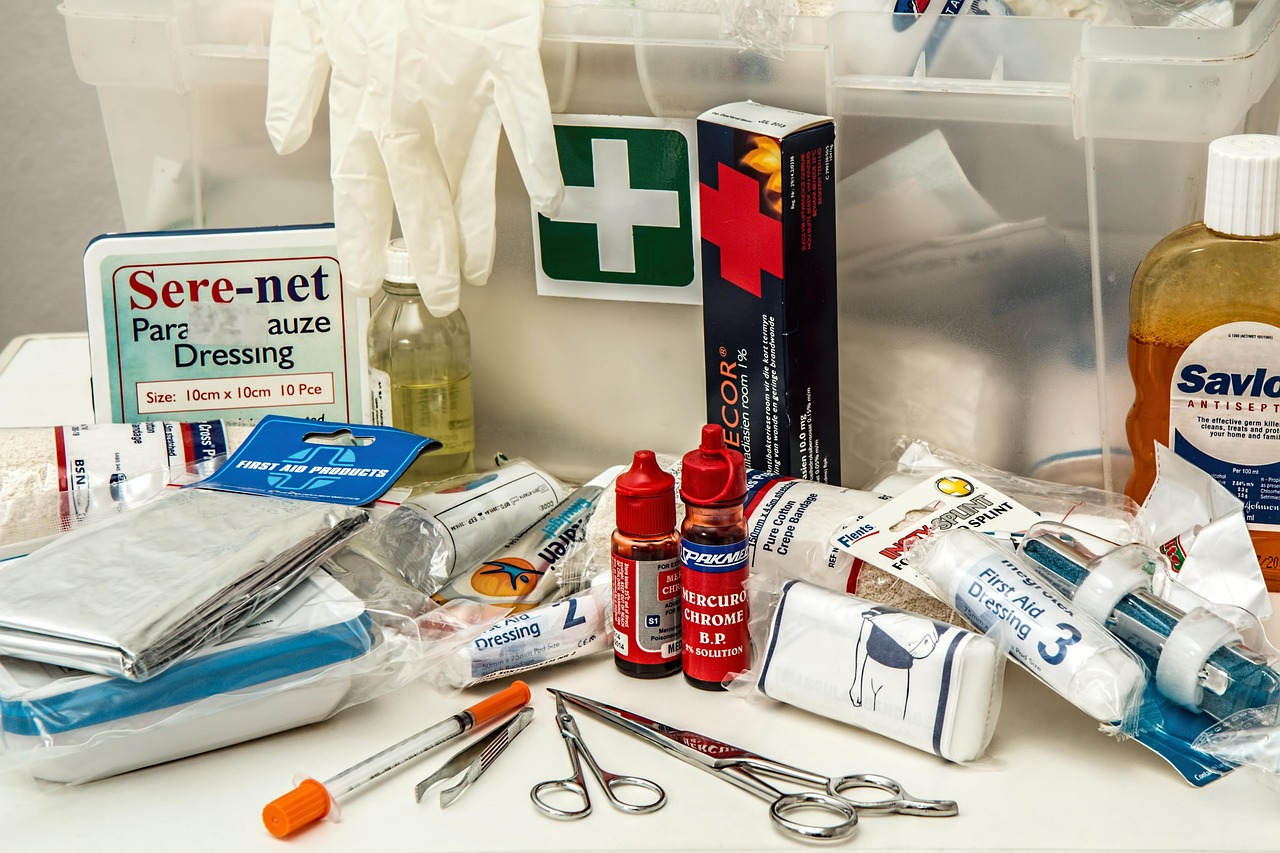

Medical emergencies can affect anyone adults or children at any time, and being prepared to recognise and respond effectively is crucial. From sudden cardiac events to severe allergic reactions, a wide range of health issues may require immediate attention. This comprehensive blog explores the most common medical emergencies, their symptoms, and the steps you can take to provide prompt and appropriate care. Learn essential first aid techniques to respond quickly and effectively during emergencies. This life-saving guide offers quick and practical first aid methods for various situations, whether at home, at work, or on the road.

What Is a Medical Emergency?
A medical emergency is any sudden illness or injury that poses an immediate threat to a person’s life, long-term health, or physical function. These situations demand urgent medical attention and often require fast, informed action from bystanders or first responders.
Common Types of Medical Emergencies
Here are some of the most critical scenarios where first aid can be life-saving:
- Heart Attack: Chest pain, shortness of breath, nausea, or cold sweats.
- Stroke: Sudden numbness, confusion, trouble speaking, or loss of balance.
- Severe Bleeding: Uncontrolled bleeding from wounds or trauma.
- Choking or Breathing Difficulty: Blocked airway or respiratory distress.
- Loss of Consciousness: Fainting, unresponsiveness, or seizures.
- Severe Allergic Reaction (Anaphylaxis): Swelling, rash, or difficulty breathing.
- Burns and Fractures: Especially when accompanied by shock or exposed tissue.
- Head Injuries: Confusion, vomiting, or loss of coordination.
